
The Moment I Fell in Love with Art
Australia’s greatest unsolved art heist: Picasso’s Weeping Woman
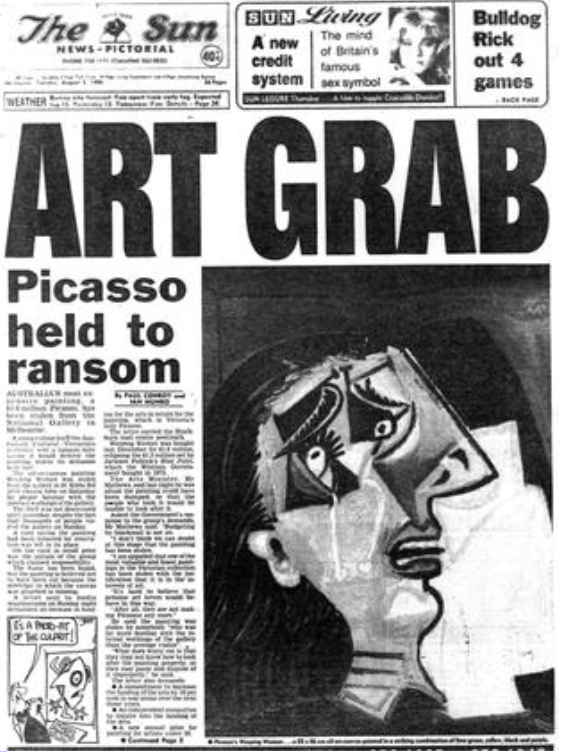
The year was 1986, I was five and a half years old, living in the small mining town of Norseman in Western Australia. One August morning, I came across The West Australian newspaper on our dining room table. It featured a striking image on the front page that immediately caught my eye. It was Picasso’s Weeping Woman—sharp angles, anguishing sadness, and a suffering so raw it seemed to spill off the page.
But what truly fascinated me wasn’t just the painting itself—it was the story. Picasso’s 1937 work had been purchased just the year before for A$1.6 million, and it had now been stolen from the National Gallery of Victoria in what would become Australia’s most infamous unsolved art heist.
And then there was the ransom note. The thief—or thieves—hadn’t asked for money.
Instead, they demanded increased funding for the arts and more exhibitions for young people. Even at that age, I found it intriguing. Someone had risked everything, not for personal gain, but to make a statement: that art mattered, that it deserved more recognition and support.
I was mesmerised. How could a painting just vanish? Who had taken it? And why? My young mind spun with curiosity, but more than anything, I wanted to understand that woman in the painting, her tears, her pain, her hurt. So, I did the only thing that made sense to me—I picked up my pencils and started drawing my own versions of The Weeping Woman, over and over again.
My parents took notice.
They saw something in those sketches—something worth sharing.
That Christmas, instead of just sending out our usual family letter and Christmas cards, they tucked my Weeping Woman drawings inside, sending them to family and friends.
Soon, letters and phone calls came back—not just with holiday greetings, but with comments about my artwork and the unsolved heist.
Relatives praised my attention to detail, family friends marvelled at how I’d captured the raw emotion, and some even displayed my sketches on their fridges and pinboards.
It was the first time my art had reached beyond our home, the first time I saw how it could spark conversation and bring people together.
That realisation stayed with me—art wasn’t just something I loved; it was something that connected people, stirred emotions, and made an impression.
Looking back, that moment was the spark.
This was the beginning of my journey as both an artist and an advocate for the arts. Art is not a frivolous pastime—it is a language, a force for change, a way to challenge, inspire, and move people.
Art wasn’t just about creating it is about storytelling, about evoking emotion, about leaving an impression. That ransom note, as unconventional as it was, carried a truth I’ve carried with me ever since: art belongs at the centre of life, not on the sidelines. It deserves to be seen, valued, and fought for.
And for me, it all started with a stolen Picasso and a handful of childhood sketches.
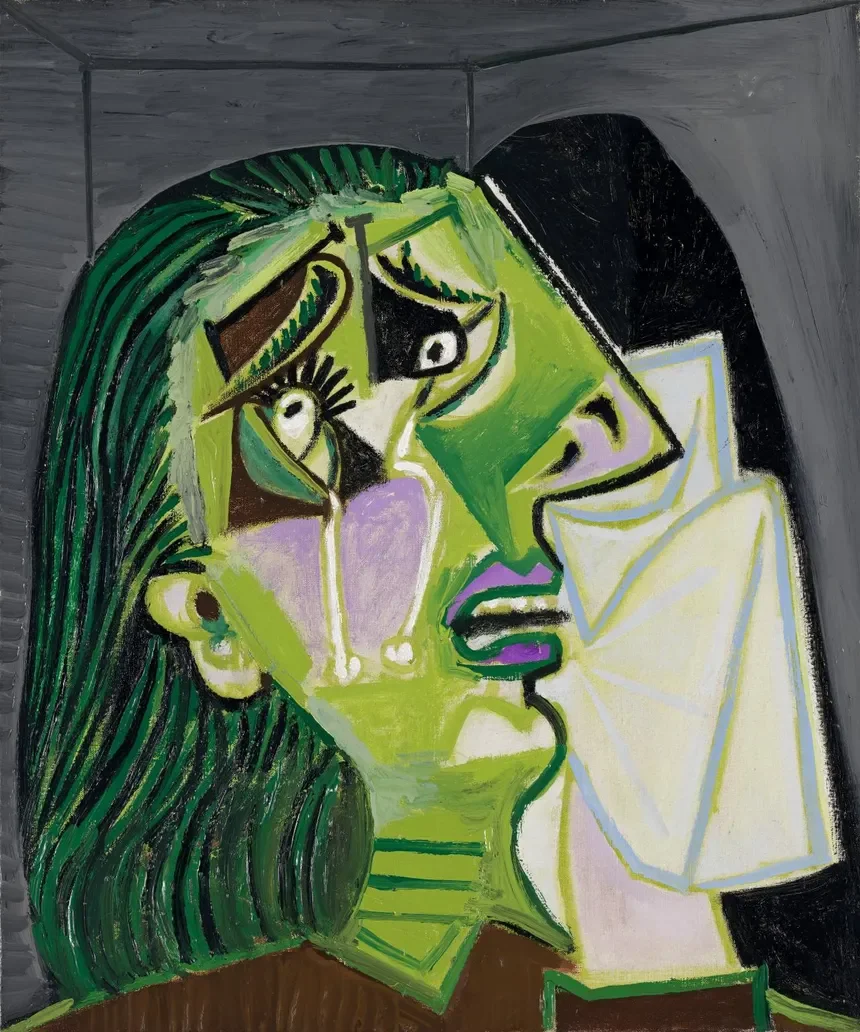
Pablo PICASSO, Weeping woman (1937). Image courtesy of the National Gallery of Victoria
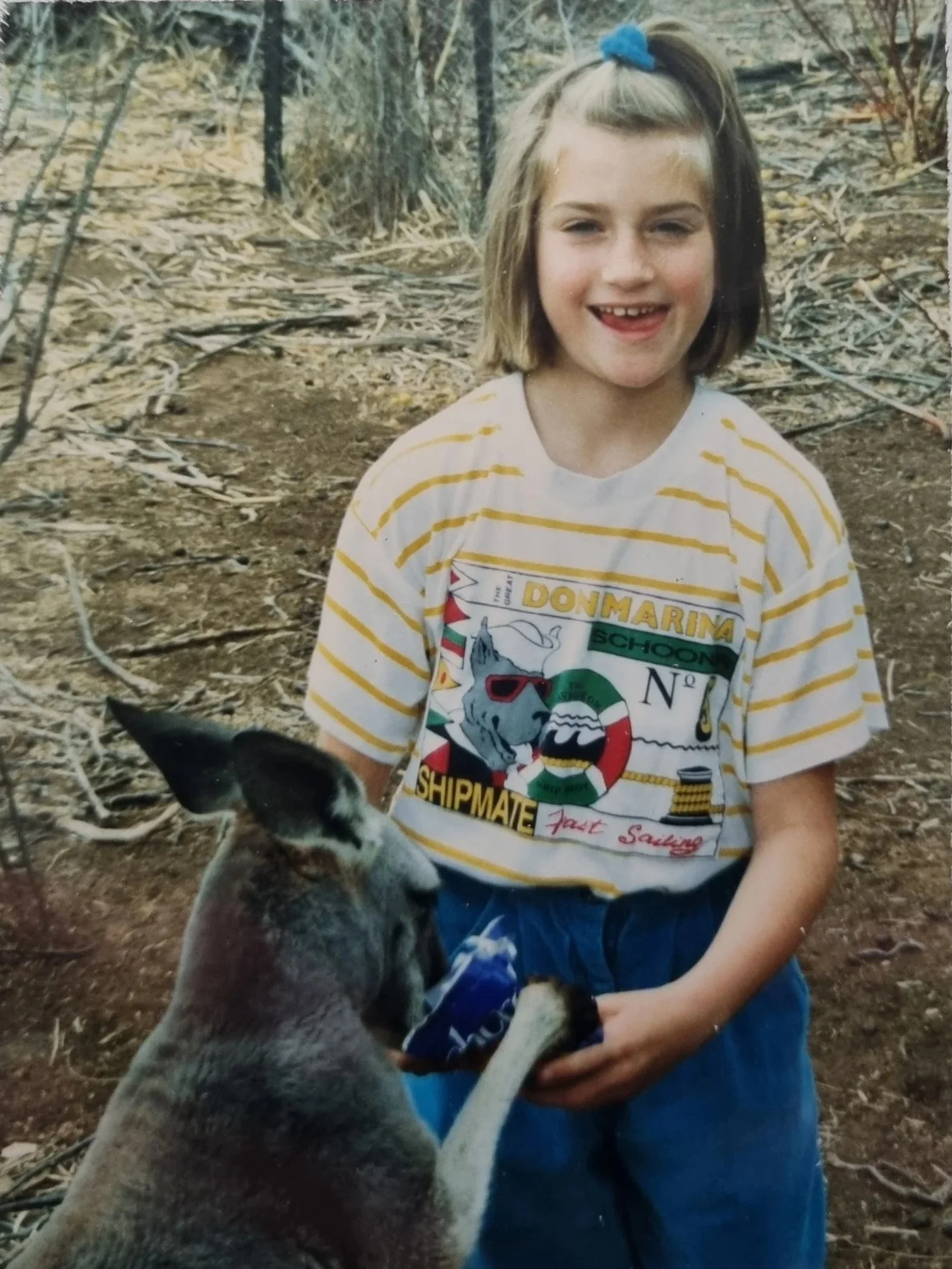
I was always curious and audacious from a young age.
Decades later, that same curiosity and fascination continue to shape my work.
Because the best art doesn’t just sit quietly on a wall— it offers hope in an uncertain world.
Art that demands to be felt, remembered, and experienced.


Connect with Ang
Never miss a moment in the world of Ang Hart. Get studio updates, new artwork releases and updates on commission openings delivered straight to your inbox.
